By Dr. Julia Reeve – Gynaecologist, Psychotherapist & Sexologist
Many women who discover they have vaginismus eventually face a difficult question:
“What do I say when I start dating someone?”
Should you tell a man immediately? Should you explain vaginismus? Should you try intimacy without saying anything?
For many women the emotional side of vaginismus — dating, communication, and fear of rejection — can feel even harder than the physical symptoms themselves.
After more than 30 years working with women experiencing vaginismus, I can reassure you of something important:
You are not the only one wondering how to handle this.
Let’s look at this situation calmly and realistically.
First: When You Meet Someone, You Are Still Strangers
When you first meet someone, you are simply two people getting to know each other.
You are not expected to immediately disclose deeply personal information about your body or your sexual experiences.
Many women with vaginismus feel pressure to explain everything right away. But in reality, you have the same right to privacy as anyone else.
Just as someone would not reveal every health condition on a first date, you are allowed to take time before sharing something as personal as vaginismus.
Trust should come before vulnerability.
You Do Not Have to Explain Vaginismus Right Away
One practical difficulty is that most people have never heard of vaginismus.
Because of this, explaining it too early can sometimes create confusion rather than understanding.
If someone barely knows you, they may misinterpret what it means or feel unsure how to respond.
For this reason, many women find it easier to keep things simple in the early stages of dating.
A Simple Way Many Women Handle Early Dating
Instead of explaining vaginismus immediately, many women simply set a slower pace for intimacy.
For example:
- “I prefer to take things slowly.”
- “I’m not rushing into sex.”
- “I like to get to know someone first.”
Some women also choose to say that they are still a virgin or that they have limited sexual experience.
This avoids complicated explanations early on and allows you to see how the other person reacts to boundaries.
A respectful partner will usually accept this without pressure.
When Is the Right Time to Talk About Vaginismus?
There is no single rule.
But many women find that the best moment to discuss vaginismus is when the relationship is becoming more intimate and there is already some level of trust.
At that stage, you might say something simple such as:
“Sometimes penetration is difficult for me because my muscles tense up. I’m working on it and taking things slowly.”
This type of explanation:
- keeps the conversation simple
- avoids overwhelming medical details
- shows that you are actively addressing the issue
- sets realistic expectations
You do not need to explain everything immediately.
The goal is simply to communicate honestly once trust exists.
Why Slowing Down Intimacy Is Often Helpful
Modern dating culture sometimes creates the expectation that sex happens very quickly.
For vaginismus, this pressure can make things significantly more difficult.
Vaginismus is closely connected to the body’s fear-response system. When there is pressure, anticipation, or anxiety, the pelvic floor muscles can tighten automatically.
Taking things slowly allows:
- emotional safety to develop
- the nervous system to relax
- trust to build between partners
- gradual confidence in intimacy
This slower pace often makes intimacy easier and more comfortable over time.
What If Someone Walks Away?
One of the hardest experiences for women with vaginismus is when a man disappears after intimacy does not work.
This can feel deeply discouraging.
But it is important to remember something:
Sometimes this reaction says more about the other person than about you.
If someone is only interested in immediate sex, they may lose interest when things require patience.
That does not mean you are the problem.
In fact, many women later discover that the right partner reacts very differently — with patience, curiosity, and support.
Another Important Consideration: Privacy
Because vaginismus is not widely understood, some women worry that explaining it to someone they barely know could lead to misunderstandings or gossip.
This is another reason why timing matters.
You are not obligated to share personal medical information with someone who has not yet earned your trust.
Disclosure should always happen at your pace and in your time.
The Bigger Picture
Dating with vaginismus can feel complicated at first, but many women eventually develop confidence in navigating these situations.
The most important things to remember are:
- You do not need to rush disclosure.
- You are allowed to move at your own pace.
- Trust should come before vulnerability.
- The right partner will respect boundaries.
And perhaps most importantly:
Vaginismus is far more common than most people ****realise****, even though it is rarely discussed openly.
About Dr. Julia Reeve
Gentle next steps
When you’re ready, two quiet ways to begin
Understanding is the first step. The rest comes from gentle, steady practice — at your own pace, in private, with a companion by your side.
The Vaginismus Book
A gentle, science-based guide to understanding what’s happening and why. “Knowledge removes fear.” In English and German.
The TVZ App
Your private, step-by-step dilator companion. Follow a gentle 9-stage path, log each practice, and build confidence at your own pace. Everything stays on your phone.
The right person will meet your honesty with care — anything less tells you what you need to know.
Warmly,
Dr Julia Reeve
Gynaecologist · Psychotherapist · Sexologist · Author of The Vaginismus Book
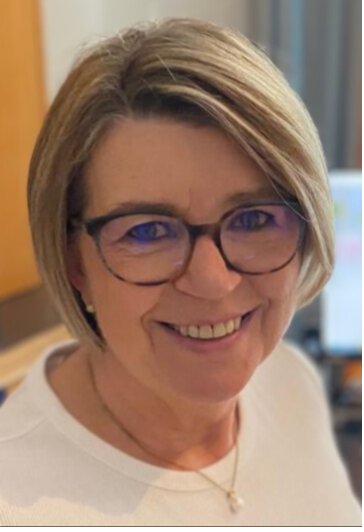
Dr Julia Reeve
Gynaecologist, psychotherapist and sexologist based in Amsterdam, with over thirty years working with women experiencing vaginismus. Author of The Vaginismus Book and creator of the TVZ dilator companion app.
This article is for general information and education. It is not a substitute for individual medical advice. If you have persistent pain or distress, please see a qualified healthcare professional.